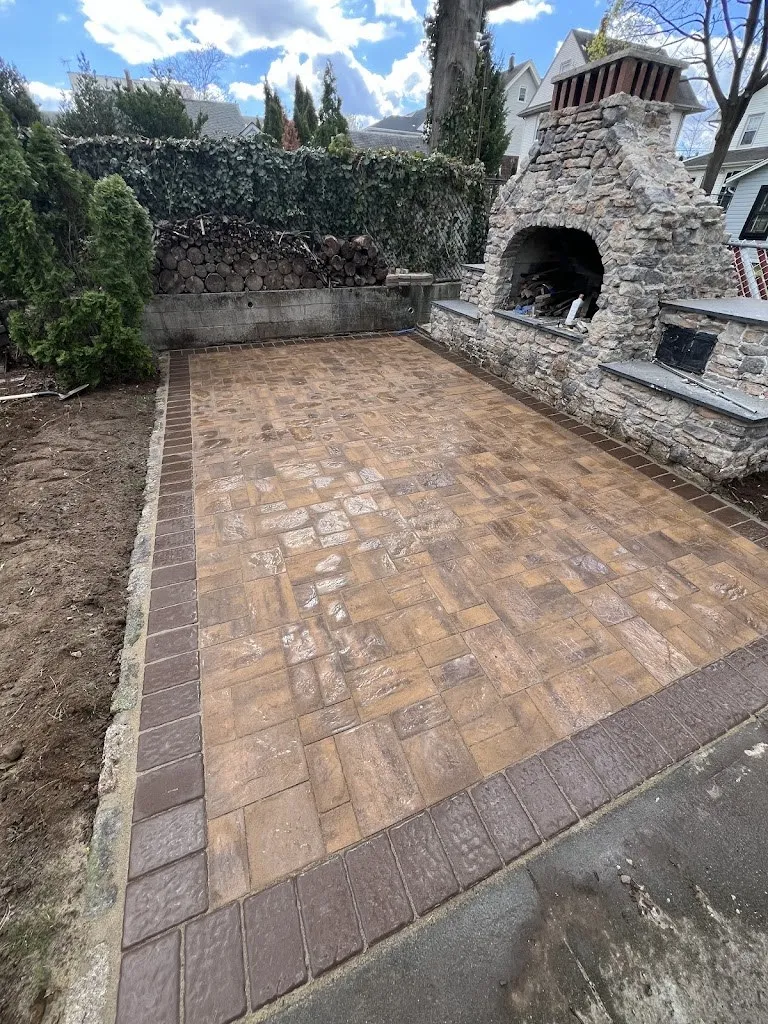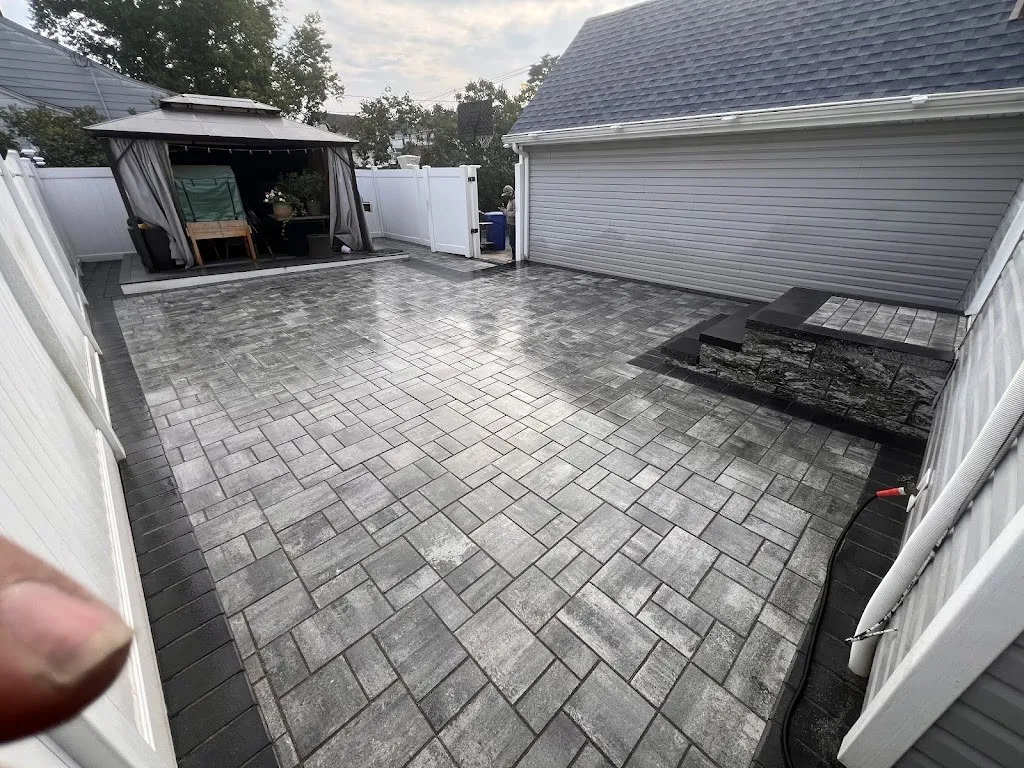
A good backyard is more than grass and a few chairs. Hardscape, walls and pavers in New Jersey give your property structure: a level place to eat and gather, a dry path to the door, a wall that holds back a slope, and a fire to sit around when the evenings cool off. Done right, these features look better every year and need very little upkeep.
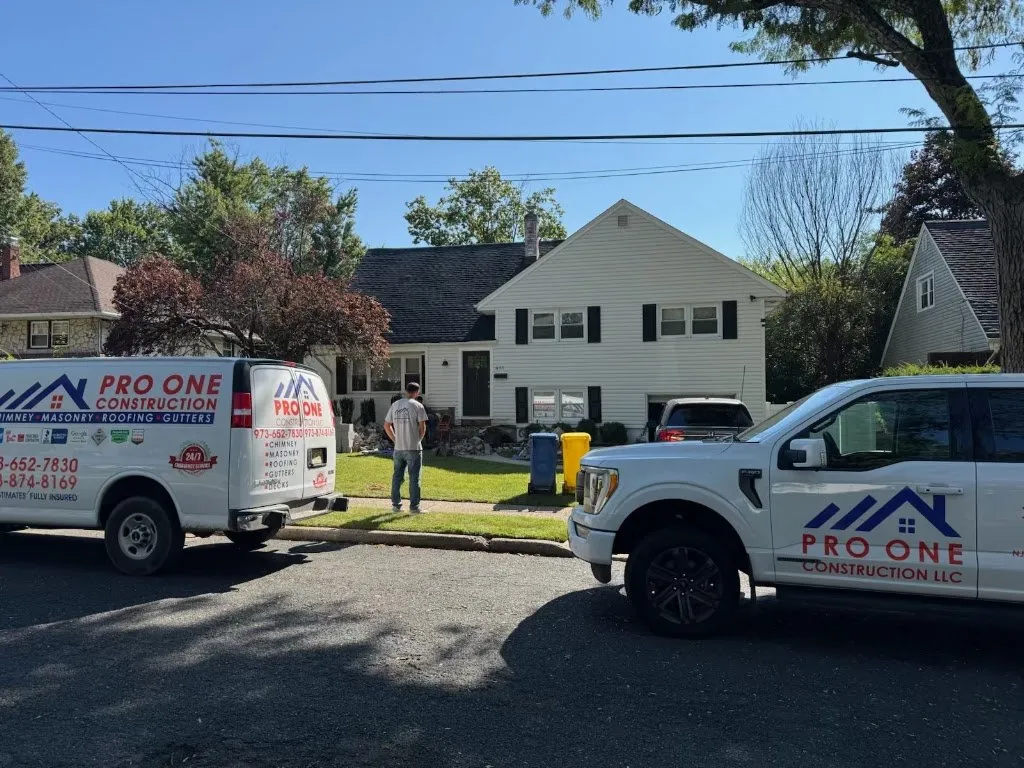
Pro One Construction is a family-owned contractor with 25+ years of experience building hardscapes for homeowners and businesses across North and Central New Jersey. We design and install the whole package, from the first sketch on site to the final sweep of polymeric sand.
Our hardscape services in New Jersey
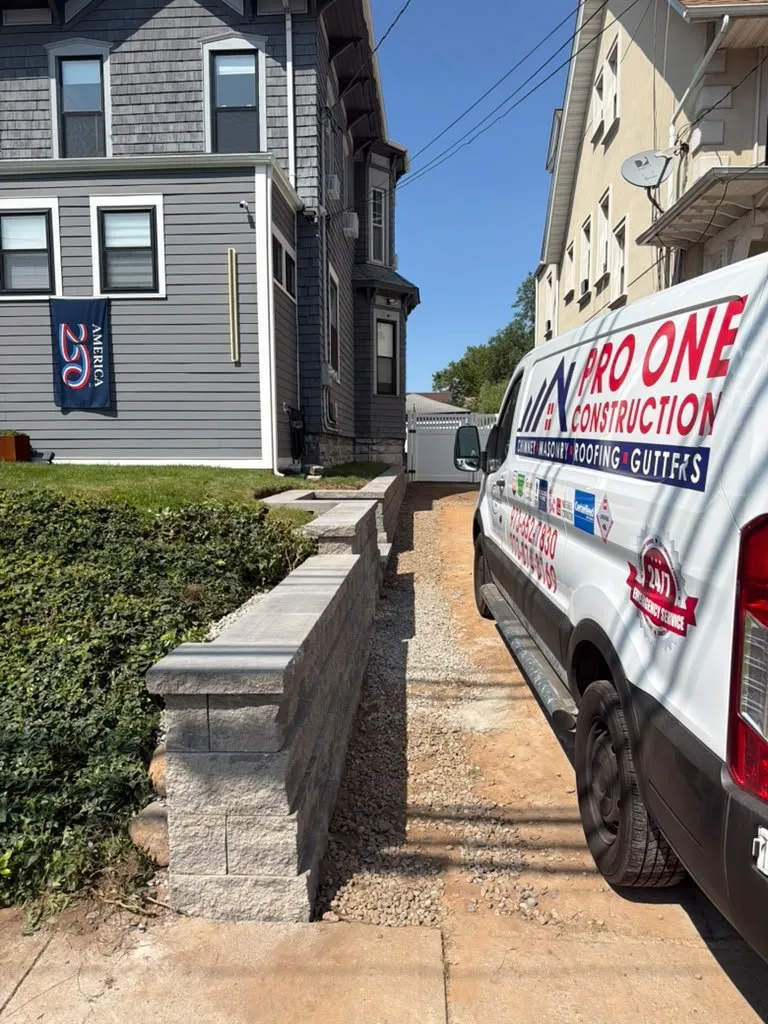
Most projects combine more than one of these. We plan them together so materials, heights and drainage all line up.
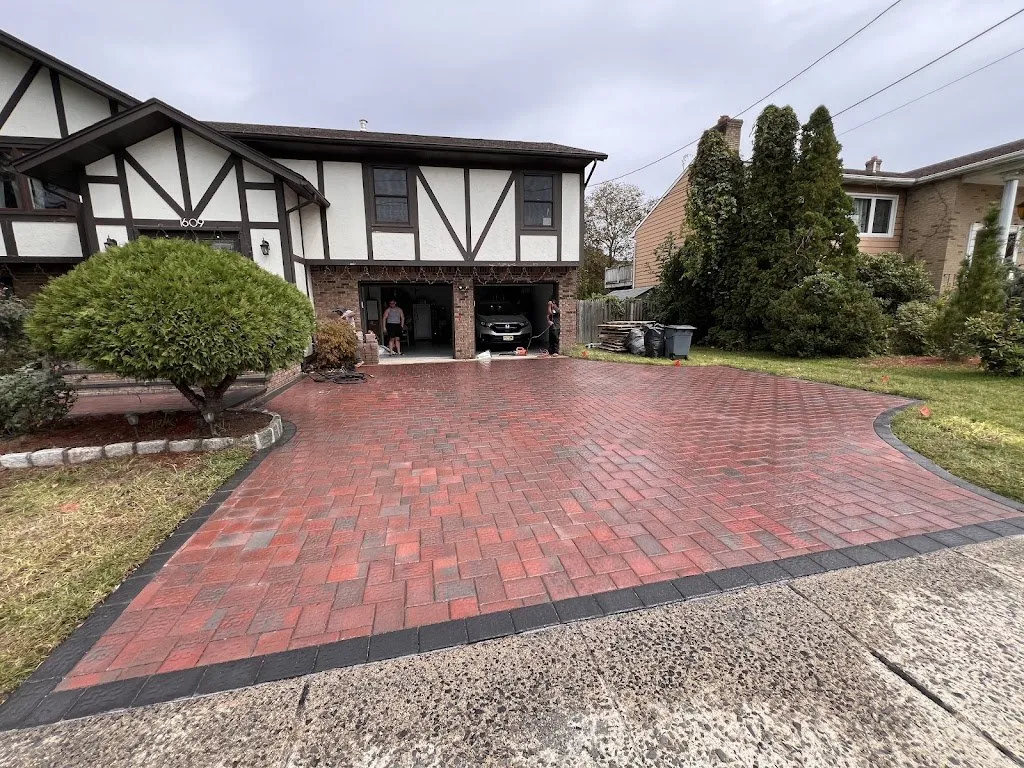
- Paver Construction. Interlocking paver driveways, patios and pool surrounds in a wide range of colors, shapes and laying patterns.
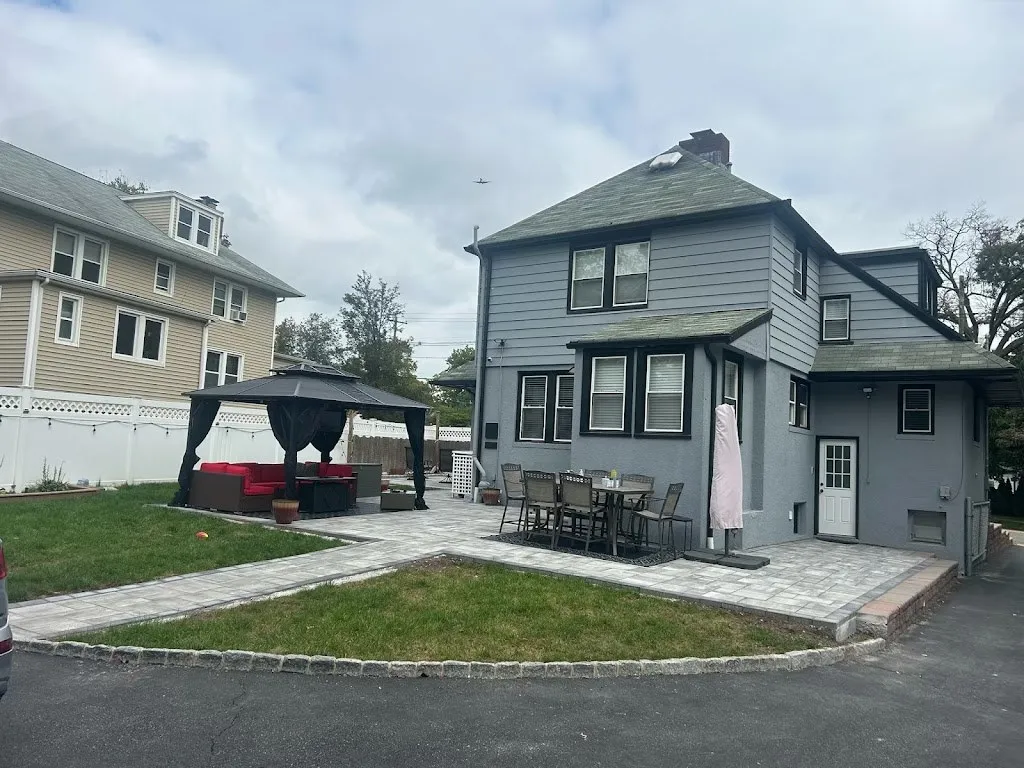
- Hardscaping. Complete outdoor living design and build, combining patios, walls, steps, lighting and fire features into one plan.
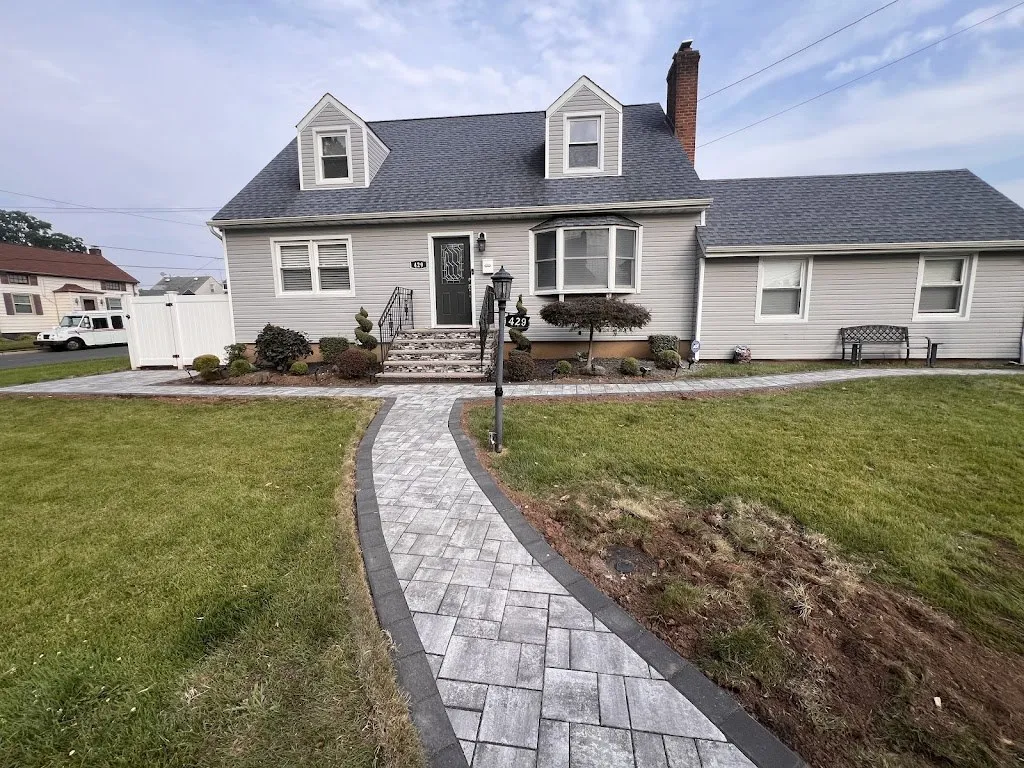
- Patios & Walkways. Custom patios and front or side walkways in concrete pavers or natural bluestone.
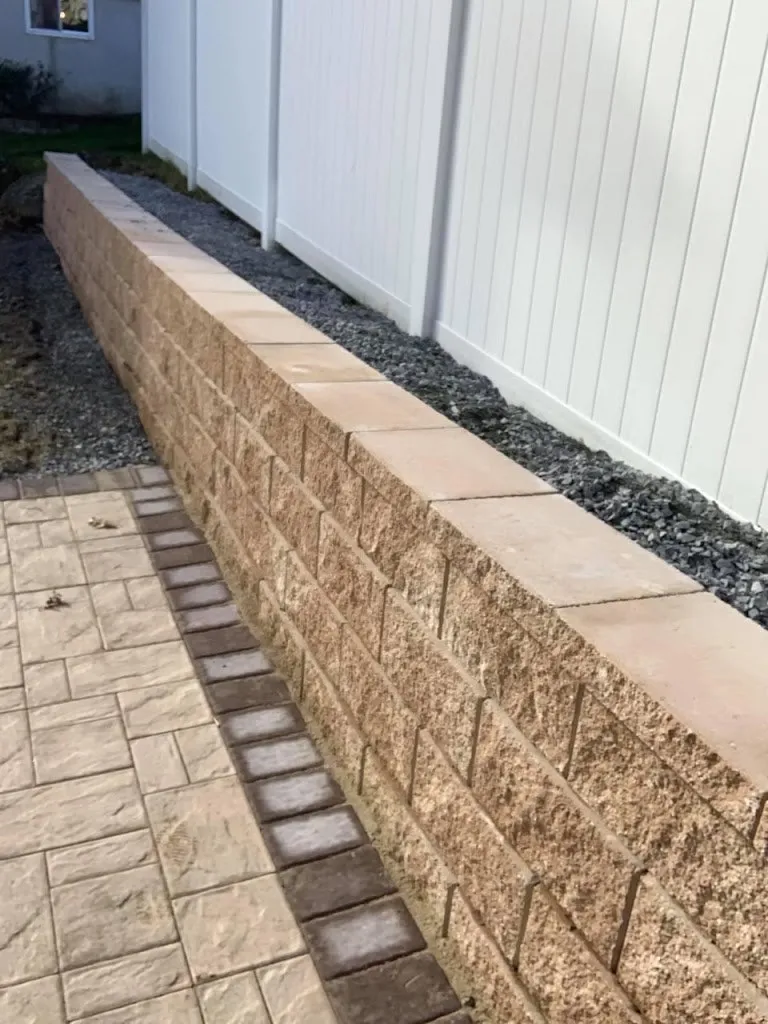
- Retaining Walls. Segmental block and stone walls that level a sloped yard, create planting beds or support a raised patio.
- Fire Pits & Outdoor Fireplaces. Built-in stone and block fire features that extend your outdoor season into fall and early spring.
Why the base matters more than the surface
The pavers or stone you pick get all the attention, but what sits underneath is what makes a hardscape last. New Jersey soil holds water, and every winter that water freezes and expands. A thin or poorly compacted base lets the surface heave, sink and separate.
On every job we:
- Excavate to the right depth for the use. A driveway that carries cars needs a deeper base than a garden path.
- Install and compact dense-graded aggregate in lifts, so the base is firm all the way through instead of only on top.
- Grade for drainage, pitching the surface away from your house so rain runs off instead of pooling against the foundation.
- Set a screeded bedding layer so every paver or stone sits flat and even.
- Lock the edges with a solid edge restraint so the field cannot creep outward over time.
- Fill the joints with polymeric sand that hardens in place and resists weeds and washout.
Retaining walls follow the same idea: a compacted base course, drainage aggregate behind the block, and geogrid reinforcement where the height and soil call for it.
Choosing materials
There is no single best material. It depends on the look you want, how the space will be used and your budget.
Concrete pavers
Manufactured pavers come in a huge range of colors, textures and sizes, from classic brick shapes to large modern slabs. They are consistent in thickness, strong under vehicle traffic and easy to repair: if one is stained or cracked, it can be lifted and replaced.
Natural stone
Bluestone and other natural stone have a timeless, high-end look that suits older and traditional homes. Each piece is a little different, so the finished surface has more variation. Stone is often used for walkways, steps, wall caps and patio borders.
Wall block and veneer
Segmental retaining wall block is engineered to stack and interlock. For seating walls, fire features and pillars, we can also face block with natural or manufactured stone veneer to match your house.
What affects the cost of a hardscape project
Every yard is different, so we price each project after seeing it. The main factors are:
- Size and shape. Curves, multiple levels and inlays take more cutting and labor than a simple rectangle.
- Material choice. Natural stone and premium pavers cost more than standard pavers.
- Site conditions. Slopes, poor soil, tree roots, tight access and old concrete that needs removal all add work.
- Walls and features. Retaining walls, steps, seating walls, lighting and fire features add to the scope.
- Drainage needs. Some yards need extra grading or drainage work so water has somewhere to go.
During your free estimate we explain where your budget goes and where there is room to adjust.
How long hardscaping lasts and how to care for it
A well-built paver patio or segmental wall can last for decades. Maintenance is simple:
- Sweep and rinse the surface a few times a year.
- Top up joint sand if you see gaps forming.
- Keep downspouts from discharging directly onto pavers or behind walls.
- Use a plastic shovel blade and avoid harsh de-icers on natural stone.
- Consider a sealer to deepen color and make cleaning easier.
If a section ever settles, pavers can be lifted, the base corrected and the same units reset. That is one of the biggest advantages of segmental paving over poured surfaces.
Working with Pro One
We are based at 66 Division Ave in Garfield, with a second office in Hawthorne, and work throughout 13 counties in North and Central New Jersey. We also handle the related work many hardscape projects need, such as concrete steps and pool masonry, so the whole yard comes together under one contractor.
Ready to plan your outdoor space? Schedule your free estimate and we will come out, measure, and talk through ideas with you.