Masonry Services

Tuckpointing & Repointing Services in New Jersey

Failing mortar joints are the most common reason brick walls, steps and chimneys start to leak and loosen. We cut out the damaged mortar and repoint with a mix matched to your brick.

  • 4.9 from 145 Google reviews
  • Family-owned, 25+ years
  • NJ HIC #13VH09797900
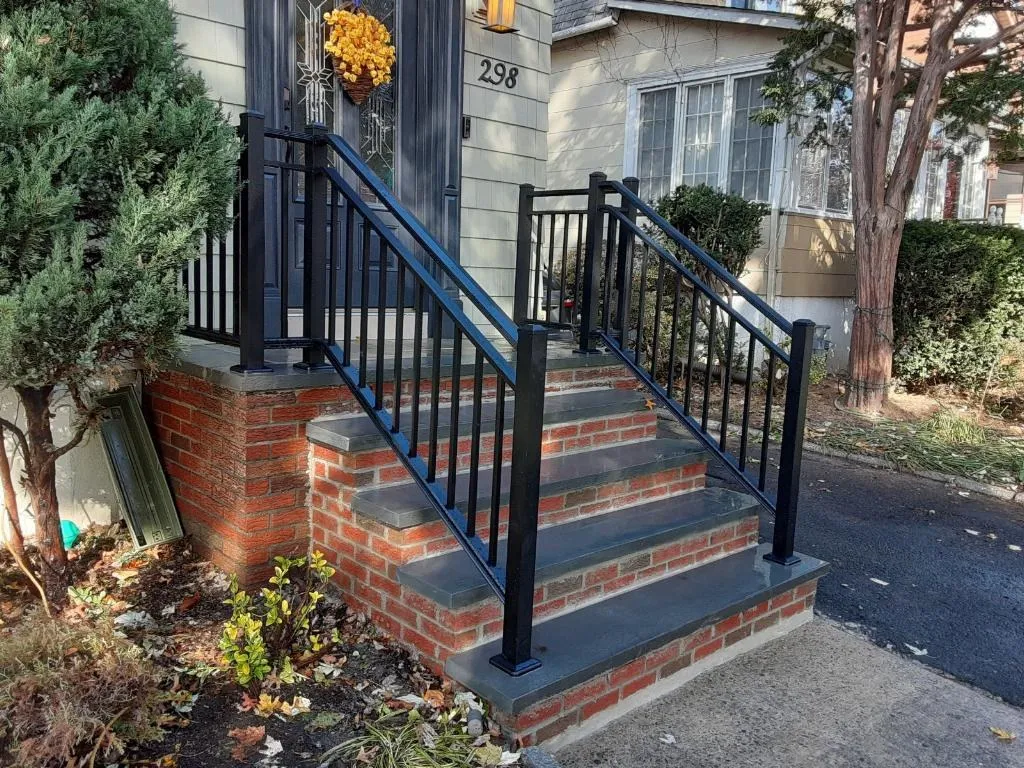
Red brick front steps with bluestone treads and black aluminum railings

Why choose Pro One for tuckpointing & repointing

  • Matched mortar

    We match the strength and color of the new mortar to your brick, so the repair blends in and the brick is not damaged by a mix that is too hard.

  • Proper joint depth

    Old mortar is raked or ground out to a consistent depth before repointing. Shallow surface patching is what makes most repointing jobs fail early.

  • Walls, steps and chimneys

    Front steps, stoops, foundation walls, garden walls, building facades and chimney stacks, on homes and commercial buildings.

  • Clean finish

    Joints are tooled to match the existing profile and the brick is cleaned of mortar smears before we leave.

Mortar is meant to wear out before the brick does. It is the softer, sacrificial part of any brick wall, and after enough New Jersey winters the joints start to crumble, shrink back and crack. Once that happens, water gets behind the face of the wall, freezes, and pushes bricks loose. Repointing at the right time stops that cycle and adds decades to the life of your masonry.

Signs your mortar joints need attention

You do not need to be a mason to spot failing mortar. Walk around your house and look for:

  • Sandy or crumbling joints. If you can scrape mortar out with a key or screwdriver, it has lost its strength.
  • Recessed joints. Mortar that has worn back well behind the face of the brick leaves ledges where water sits.
  • Cracks that follow the joints. Stair-step cracking through the mortar can point to movement as well as weathering.
  • Loose bricks or caps. Common on front steps, garden walls and the top courses of chimneys.
  • Damp spots or white stains inside. Water getting through the wall often shows up first on basement or interior walls.

Front steps and chimneys usually fail first. Steps take foot traffic and de-icing salt, and chimneys take the full force of wind, rain and freeze-thaw cycles with no roof overhang to protect them.

Tuckpointing or repointing: which do you need?

The terms get mixed up a lot, so here is the simple version. Repointing means removing deteriorated mortar to a consistent depth and replacing it with new mortar. It is a repair, and it is what most walls need.

Tuckpointing starts the same way, but the new mortar is colored to match the brick and a thin, contrasting line is applied down the center of each joint. The result looks like perfectly straight, fine joints. It is mostly an appearance upgrade, popular on older brick fronts where the original joints were uneven.

During your free estimate we will look at the wall, explain which approach fits, and show you samples of the finish.

Why the mortar mix matters

The most common mistake we see on New Jersey homes is repointing with mortar that is harder than the brick. Modern high-strength cement mixes are great for new block foundations, but on older or softer brick they force moisture and movement into the brick itself. The faces of the bricks then crack and flake off, which is far more expensive to fix than the mortar ever was.

We choose a mortar type that is compatible with your brick, and we color-match it so the repaired joints do not stand out. On older homes and historic masonry, we take extra care to match the original material and joint profile.

Our repointing process
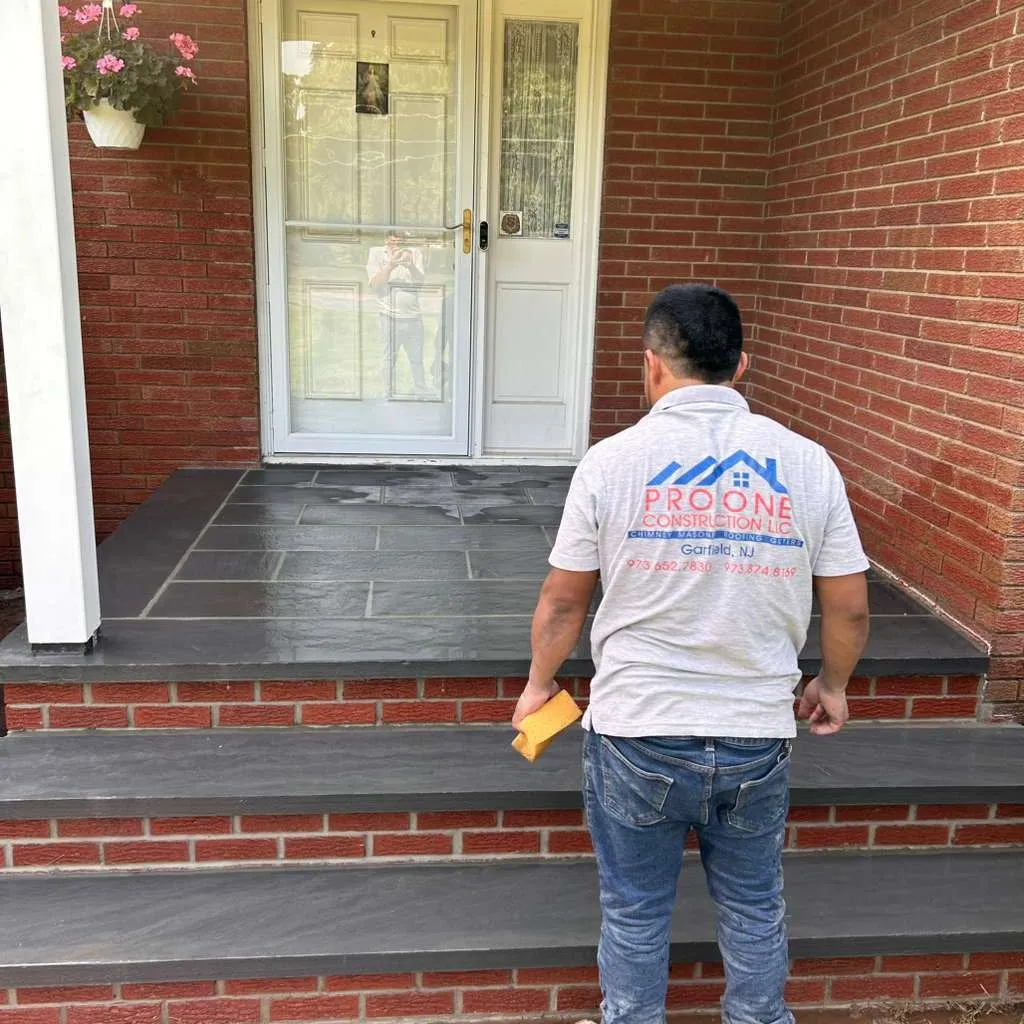
Pro One crew member checking a new bluestone porch with brick risers

  1. Inspection. We check the condition of the mortar, the brick and anything behind it, such as a failing chimney crown or a step that has settled. Repointing will not last if the real problem is somewhere else.
  2. Mortar removal. Failing mortar is cut out to a consistent depth, typically at least twice the width of the joint, without chipping the brick edges.
  3. Cleaning and dampening. Joints are cleaned of dust and lightly dampened so the new mortar bonds instead of drying out too fast.
  4. Repointing in layers. Deep joints are filled in layers, each one pressed in firmly, then tooled to match the existing joint profile.
  5. Clean up. We brush off excess mortar, clean smears from the brick face and leave the work area clean.

When repointing is not enough

Sometimes the bricks themselves are cracked, spalled or loose, or a step has pulled away from the house. In those cases we may recommend rebuilding a section, replacing damaged units, or a full masonry repair. For chimneys, repointing often goes together with a new crown or flashing work, covered under our chimney and fireplace masonry service. If a stoop is beyond saving, we rebuild it with new brick or stone and bluestone treads.

We will always tell you which option makes sense for your wall and your budget. Request a free estimate and we will take a look.
Our work

Recent tuckpointing & repointing projects

Real Pro One jobs, no stock photos. Click any photo to see it larger.

110+ real project photos in our gallerySee all our work →

How it works

From first call to finished project in 3 simple steps

  1. Step 1

    Tell us about your project

    Call us or search for the service you need above. It takes under a minute.

  2. Step 2

    Get a free on-site estimate

    We visit, measure, talk through materials and options, and give you a clear written quote. No pressure.

  3. Step 3

    We build it right

    Our crew shows up when we say, works clean, keeps you updated and finishes on schedule and on budget.

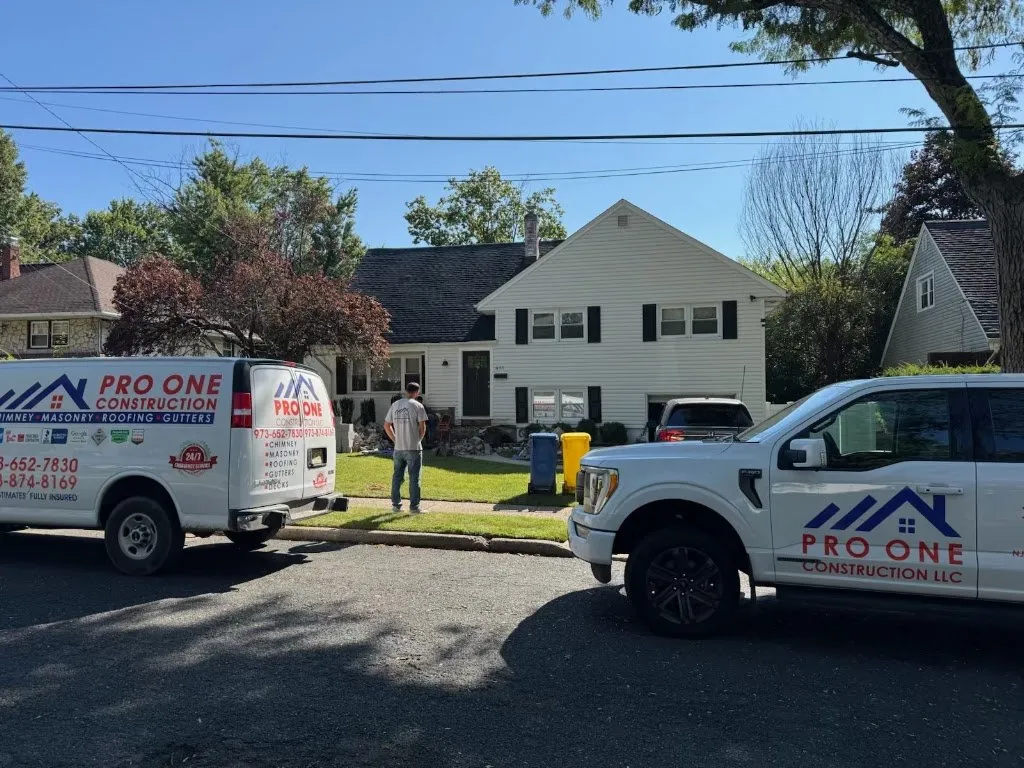
Pro One Construction van and pickup truck parked at a client's home in New Jersey

Real reviews from real neighbors

Every review here was written on Google by a Pro One customer.

Get a free estimate
  • Masonry

    “Fantastic experience from start to finish. The crew was knowledgeable, hardworking, and respectful of our property. The masonry work looks amazing and has completely transformed our space. Would absolutely hire again”

    Olainy Soto

  • Sidewalk repair

    “I got a quote from Pro One construction to repair a large portion of sidewalk on my property that a tree was pushing up and heaving the sidewalks to a dangerous level. There estimate was the best out of 3 and they did a professional job. Would recommend them to anyone needing sidewalks repaired!”

    A Everett

  • Google review

    “Matt and his team were excellent! If I could give 10 stars they would’ve received 11. Very neat; cleaned everything up. Fantastic group of guys.”

    Damian Jata

  • Driveway

    “Great experience with Matt,he came and give us a quote about or driveway.We liked the way how Matt handled the project and how it came out in the end. Definitely suggest them!”

    Gloris Bulica

  • Steps & retaining wall

    “Pro one construction repaired my steps and retaining wall amazing work very professional and great quality.highly recommend”

    Olha Vinnichenko

  • Roof replacement

    “Matt and his crew can by my mechanic shop in Union and did a full roof replacement. Very happy with them, I haven’t had a leak since.”

    Ardit Lita

  • Patio

    “Very happy with our new patio 10/10”

    raj Gupta

FAQ

Tuckpointing & Repointing FAQs

Can’t find your answer? Call us at (973) 874-8169.

What is the difference between tuckpointing and repointing?

Both start by removing failing mortar and packing in new mortar. Repointing stops there. Tuckpointing adds a thin contrasting line of mortar in the center of each joint to make the brickwork look crisp and uniform. Repointing fixes the wall; tuckpointing also improves how it looks.

How do I know if my brick needs repointing?

Scratch a joint with a key. If the mortar crumbles to sand, is recessed more than about a quarter inch, or has gaps and cracks, it needs attention. Loose bricks, damp interior walls and white salt stains (efflorescence) are other signs.

Can you repoint just part of a wall?

Yes. We often repoint only the areas that have failed, such as the top of a chimney, the treads of a stoop or the side of a wall that takes the most weather. We match the mortar so the repaired area blends with the rest.

What time of year is best for repointing in New Jersey?

Spring through fall, when temperatures stay above freezing day and night. Mortar needs to cure without freezing, so we avoid the coldest part of winter or protect the work when cold weather comes early.

Is repointing cheaper than rebuilding?

Usually, yes. When the bricks are sound and only the mortar has failed, repointing restores the wall for a fraction of the cost of tearing it down and rebuilding. We will tell you honestly which one your wall needs.

Ready to talk about your tuckpointing & repointing project?

Get a free, no-obligation estimate from a local crew that does it right the first time.

Call nowFree estimate