Masonry is one of the few parts of a house that can outlast the people who build it. Brick, block and stone do not rot, burn or attract insects, and when they are laid correctly they stay solid for generations. Our masonry services cover the full range of that work in New Jersey: new construction, repairs, chimneys, pool surrounds, stone and brick facing, and careful restoration of older buildings.
We are a family-owned contractor based in Garfield, and we have been building and repairing masonry across North and Central New Jersey for more than 25 years. Every project starts with a free on-site estimate, where we look at the work in person and tell you plainly what it needs.
Masonry services we offer in New Jersey
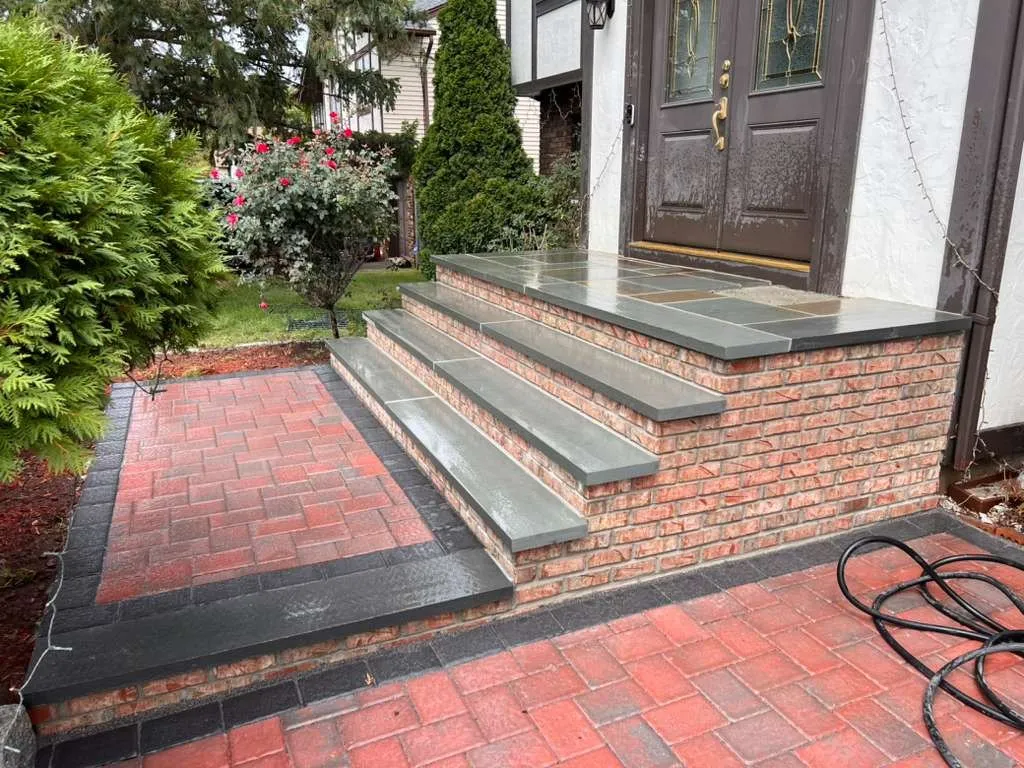
Each type of masonry work has its own page with more detail. Here is an overview of what we do.
Masonry construction and repair
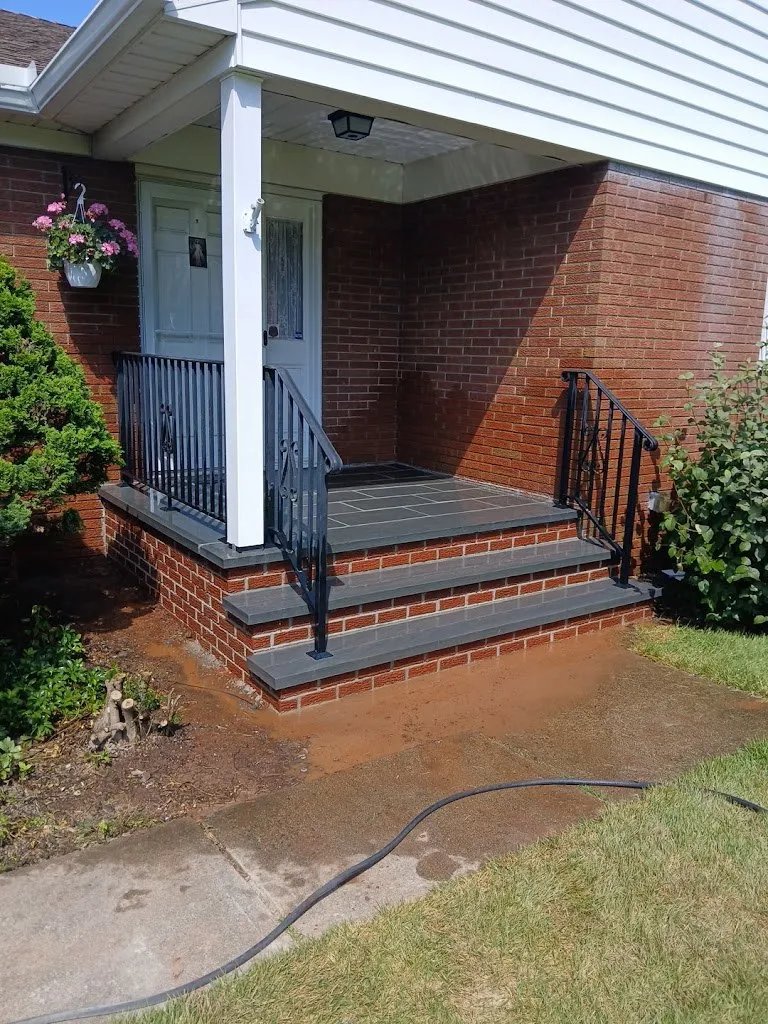
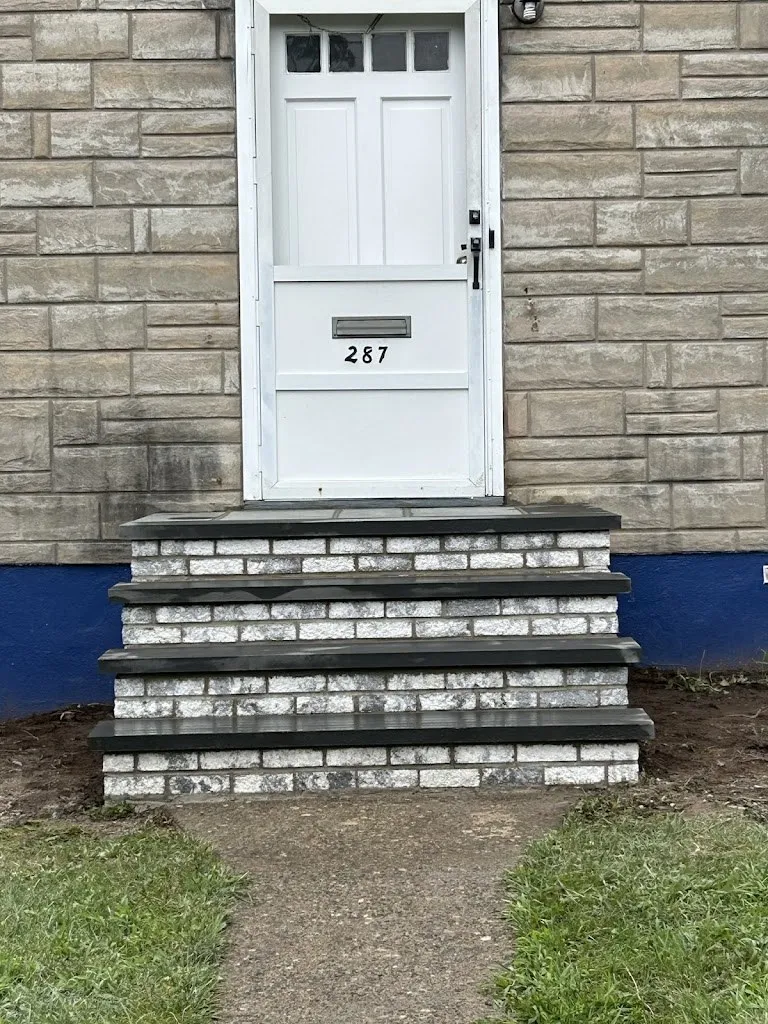
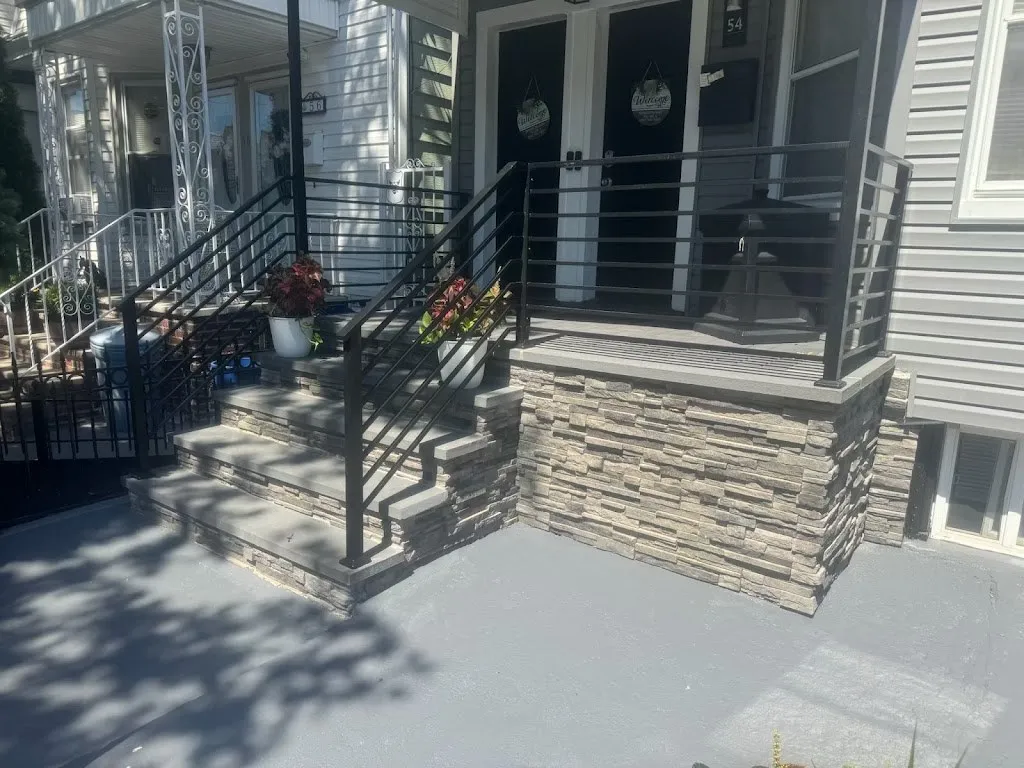
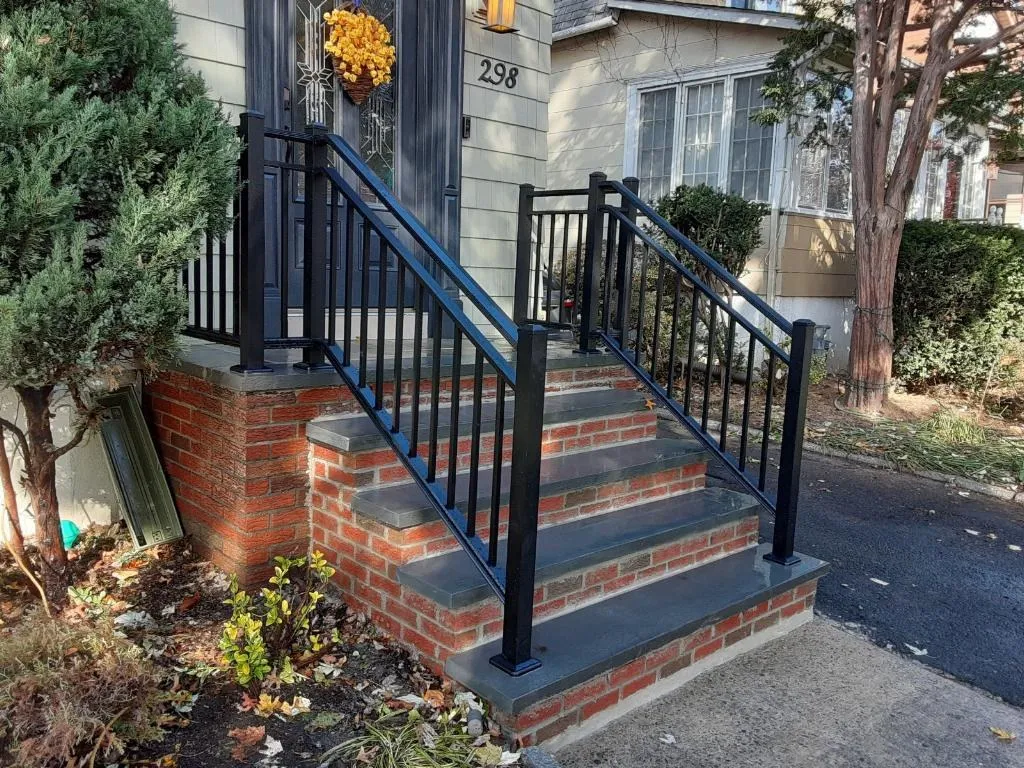
New brick and block steps, stoops, garden walls, foundation walls and piers, plus repairs to cracked, leaning or settled masonry. When an existing structure has failed, we find out why before we fix it. See masonry construction and repair.
Tuckpointing and repointing
Worn mortar joints are the most common way water gets into a brick wall. We cut out the failing mortar and replace it with a compatible mix. Learn more about tuckpointing and repointing.
Historic masonry restoration
Older homes and buildings often have soft brick and lime-based mortar that need a gentler approach than modern construction. Our historic masonry restoration work focuses on keeping original material and character.
Chimney and fireplace masonry
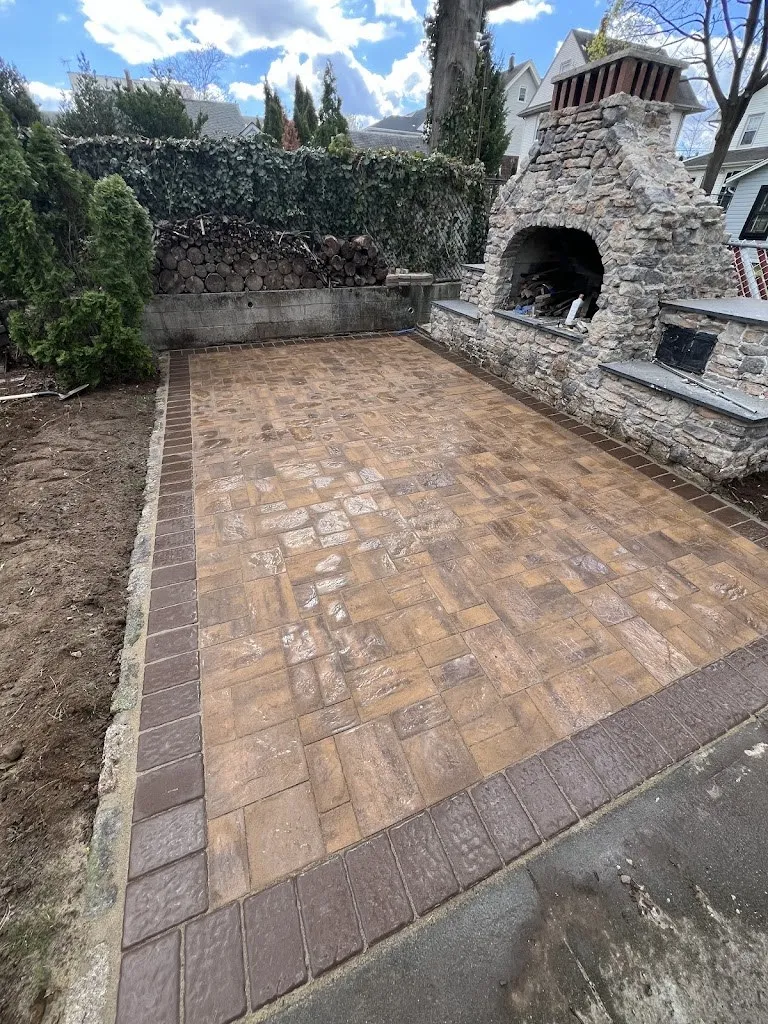
Chimney crowns, rebuilt chimney tops, flashing repairs and fireplace surrounds, indoors and out. Read about our chimney and fireplace masonry service.
Pool masonry
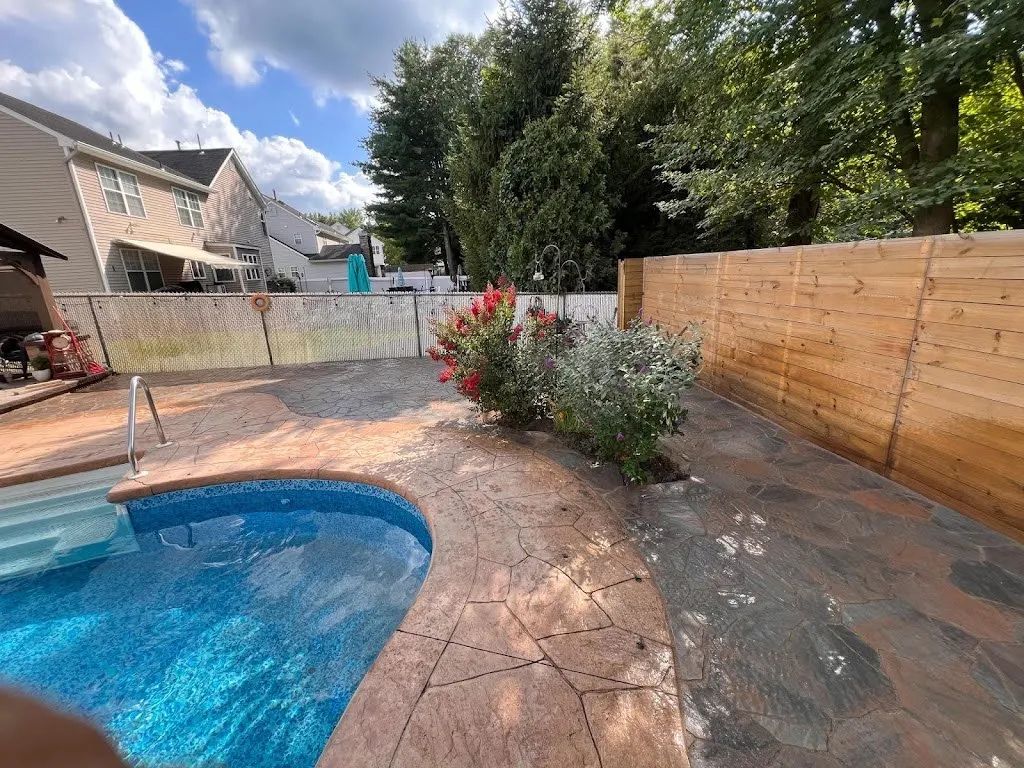
Coping, pool decks and the walls and steps around them, built to handle splash water, pool chemicals and winter freezing. Details are on our pool masonry page.
Stone masonry and brickwork
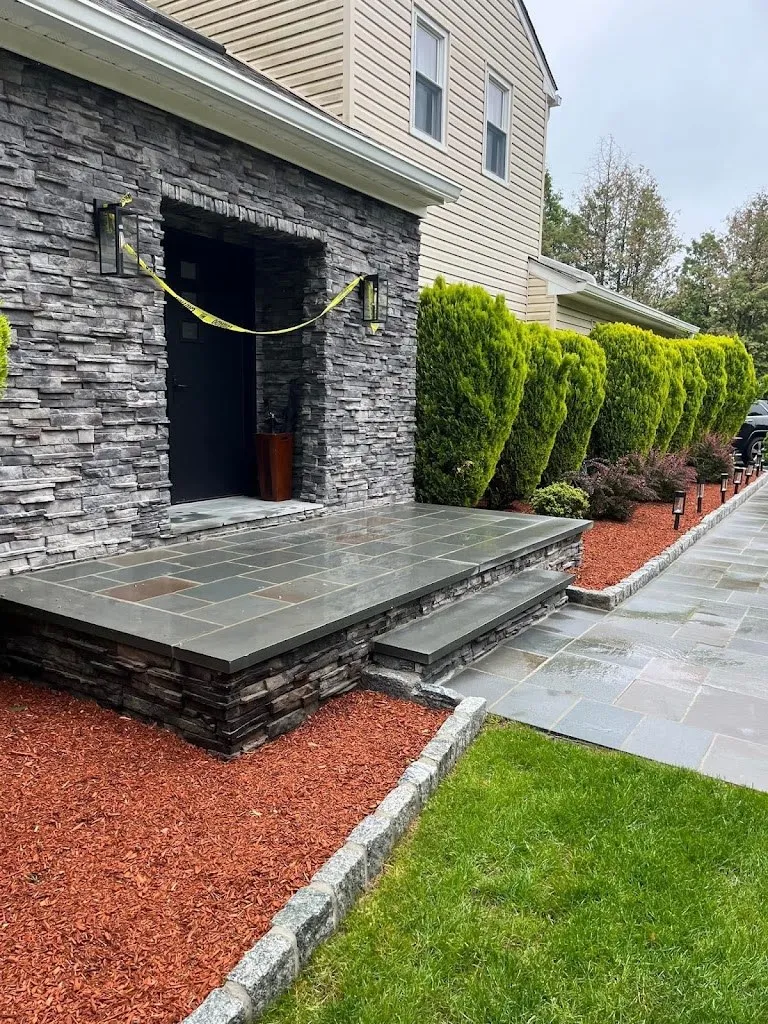
Stone veneer, brick facades, accent walls, columns and entry features that change the look of a property. See stone masonry and brickwork.
Why masonry fails in New Jersey, and how we build against it
Almost every masonry problem we see comes back to water. New Jersey gets plenty of rain and snow, and winter temperatures swing above and below freezing over and over. Water soaks into porous brick, stone and mortar, freezes, expands and slowly pries the material apart. Road and sidewalk salt makes it worse by drawing in more moisture and attacking the surface of brick and concrete.
Good masonry is designed to shed water and dry out. On every job we pay attention to:
- Caps, crowns and coping that overhang the wall and shed water away from the joints below.
- Flashing where masonry meets a roof, deck or door, so water is directed out instead of in.
- Drainage and footings below grade, so steps and walls do not heave or settle.
- Mortar choice, matched to the brick or stone so the mortar wears before the masonry units do.
- Weep holes and air gaps behind veneer, where the system calls for them, so trapped moisture can escape.
These details are not visible once the job is done, but they decide whether the work lasts five years or fifty.
Brick, block and stone: choosing materials
Each masonry material has its place, and many projects use more than one.
- Concrete block is strong, economical and quick to build with. It is often the hidden core of steps, walls and foundations.
- Brick gives a classic look and comes in many colors and textures. It is the natural choice when new work has to match an existing brick house.
- Natural stone such as fieldstone and bluestone is dense and durable. Bluestone is especially popular in New Jersey for step treads, caps and landings.
- Manufactured stone veneer is lighter than full stone and can be applied over block or a properly prepared wall, giving a stone look at a lower weight.
During your estimate we can show you samples and explain how each option will look, wear and age on your property.
What affects the cost of masonry work
We do not quote prices without seeing the job, because masonry costs depend heavily on conditions you cannot see in a photo. The main factors are:
- Size and height of the work, and whether scaffolding or staging is needed.
- Material choice, since natural stone generally costs more than block or manufactured veneer.
- Demolition and access, including removing old masonry and how close we can get equipment.
- Hidden damage such as rotted framing behind a chimney or a failed footing under a stoop.
- Detail work like matching old brick, custom patterns or decorative joints.
Your written estimate spells out the scope so you know exactly what is included.
How to choose a masonry contractor
Masonry mistakes are expensive because they are hard to undo. When you compare contractors, look for a registered New Jersey Home Improvement Contractor, recent photos of similar work, and someone who explains how they will deal with water, not just how the finished job will look. Ask what mortar they plan to use and why. A good mason will also tell you when a smaller repair makes more sense than a full rebuild.
We bring that approach to every masonry project, from a single cracked step to a full facade. Request your free estimate and we will come out, take a look and give you straight answers.