Masonry Services

Historic Masonry Restoration in New Jersey

Older brick and stone need a lighter touch than modern masonry. We repair and restore historic walls, steps and facades with compatible materials so they keep their character.

  • 4.9 from 145 Google reviews
  • Family-owned, 25+ years
  • NJ HIC #13VH09797900
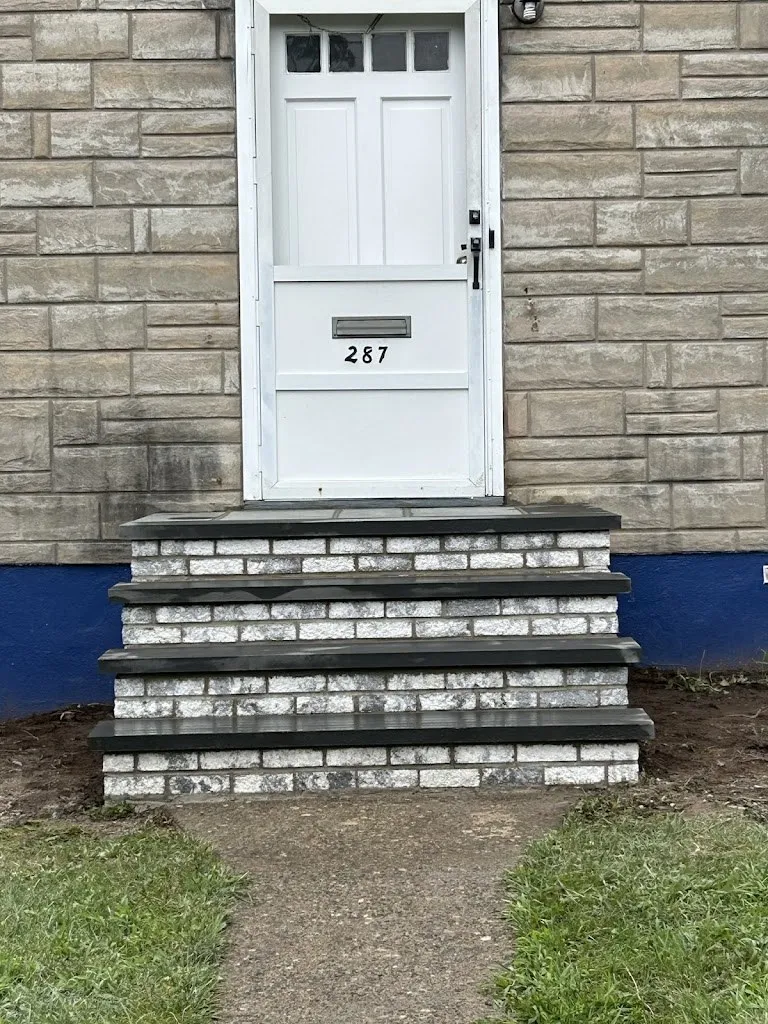
Whitewashed brick front steps with dark bluestone treads

Why choose Pro One for historic masonry restoration

  • Compatible mortar

    We use softer, breathable mortars where the original masonry calls for it, so the brick is not damaged by a mix that is stronger than it is.

  • Repair before replace

    Original brick, stone and bluestone are kept wherever they are sound. We replace only units that have truly failed.

  • Gentle cleaning

    No harsh sandblasting or aggressive high-pressure washing. We start with the mildest method that works and test it on a small area first.

  • Matched materials

    Reclaimed or closely matched brick and stone, with mortar color, sand and joint profile chosen to blend with the original work.

Older brick and stone buildings were put together differently than modern ones. The bricks are often softer, the mortar is usually lime-based, and the walls were designed to absorb some moisture and then dry out. Historic masonry restoration means working with those original materials rather than against them, so repairs protect the building instead of speeding up its decline.

New Jersey has a deep stock of older homes, churches, storefronts and estates with brick and stone that is well worth saving. We restore that masonry with care and with materials that suit it.

What makes historic masonry restoration different

On a modern wall, a strong portland cement mortar is often the right choice. On an older wall, it can be the worst one. Traditional masonry relies on a simple rule: the mortar should be softer and more breathable than the brick or stone around it. That way, moisture and movement are taken up by the joints, which are easy to renew, rather than by the bricks, which are not.

When old brick is repointed or patched with hard mortar, the wall loses that balance. Water gets trapped, freeze-thaw cycles crack the brick edges, and faces start to pop off. We see this often on older New Jersey homes that were repaired in past decades with the wrong mix.

Restoration done right respects:

  • Mortar strength and breathability, often using lime-based or low-strength mixes
  • Original joint width and profile, so the wall reads the way it was built
  • Brick and stone character, including size, color, texture and weathering
  • The way the wall manages water, from caps and sills down to grade

Common problems on older masonry

Here is what we usually find when we inspect older brick and stone in New Jersey:

  1. Eroded or missing mortar that has simply reached the end of its life.
  2. Spalled brick where hard mortar or trapped moisture has broken off the face.
  3. Previous bad repairs, such as smeared cement patches, caulk in joints or painted brick that traps moisture.
  4. Failing caps, copings and sills that let water into the top of walls and openings.
  5. Displaced or bulging sections around steps, parapets and garden walls.
  6. Staining and efflorescence, the white salt deposits left when water moves through the wall.

Our restoration approach
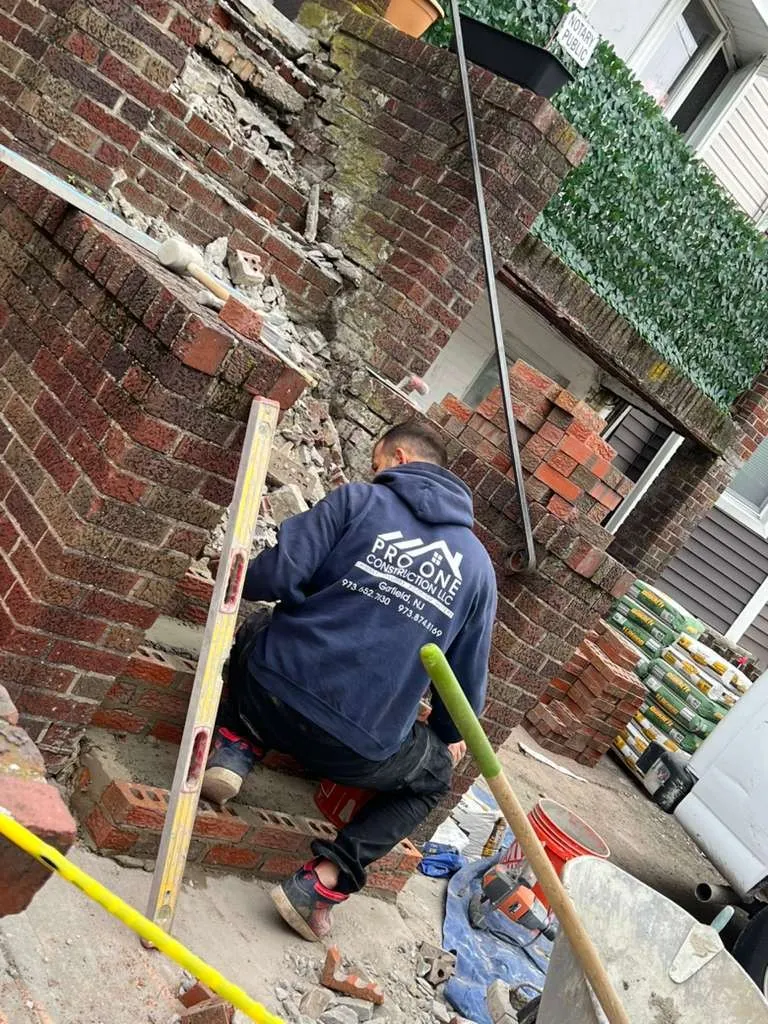
Pro One mason rebuilding a brick pillar beside a city stoop

Assess and document

We start by looking closely at the masonry, the mortar and how water is getting in. We note which areas are sound, which need repair and which need rebuilding, and we photograph conditions before work begins.

Choose the right materials

We select mortar to suit the existing masonry, matching color, sand texture and strength as closely as practical. For brick and stone replacement, we look for reclaimed units or close modern matches. Bluestone treads and caps can often be lifted, cleaned and reset rather than replaced.

Repair with minimal intervention

Failing joints are carefully raked out by hand or with controlled tools, without widening the joints or chipping brick edges. Our tuckpointing and repointing page covers that process in more depth. Damaged bricks are cut out individually and replaced, and loose sections are taken down and relaid in their original pattern.

Clean gently

When cleaning is needed, we start with the mildest method, such as low-pressure water and soft brushes, and test any cleaner on an inconspicuous area first.

Protect the work

New lime-rich mortar cures more slowly than cement mortar and needs protection from hard sun, drying wind and freezing. We schedule restoration for suitable weather and protect fresh work as it cures.

Chimneys, steps and other older features

Chimneys on older homes are often the first place historic masonry fails, because they take the most weather. We restore old chimney stacks with compatible mortar and pair the work with new crowns and flashing through our chimney and fireplace masonry service. Brick stoops with bluestone treads, garden walls and stone foundations are also common restoration projects.

Cost factors for restoration work

Restoration usually takes more time per square foot than new masonry, because the work is slower and more careful. Cost depends on the size and height of the area, how much of the original material can be saved, the availability of matching brick or stone, the mortar type, access and staging, and whether earlier bad repairs have to be removed first. We explain each of these in your written estimate.

Choosing a contractor for older masonry

Ask any contractor what mortar they plan to use on your building and why. If the answer is the same mix they use on new block, keep looking. A good restoration mason will talk about compatibility, test cleaning methods before using them, and recommend saving original material whenever possible. For towns with historic districts or preservation review, rules vary, and we check what applies before work starts.

We are a family-owned masonry contractor in Garfield with 25+ years of experience. Schedule a free estimate and let us take a look at your older brick or stone.
Our work

Recent historic masonry restoration projects

Real Pro One jobs, no stock photos. Click any photo to see it larger.

  • 110+real project photosSee all our work →

How it works

From first call to finished project in 3 simple steps

  1. Step 1

    Tell us about your project

    Call us or search for the service you need above. It takes under a minute.

  2. Step 2

    Get a free on-site estimate

    We visit, measure, talk through materials and options, and give you a clear written quote. No pressure.

  3. Step 3

    We build it right

    Our crew shows up when we say, works clean, keeps you updated and finishes on schedule and on budget.

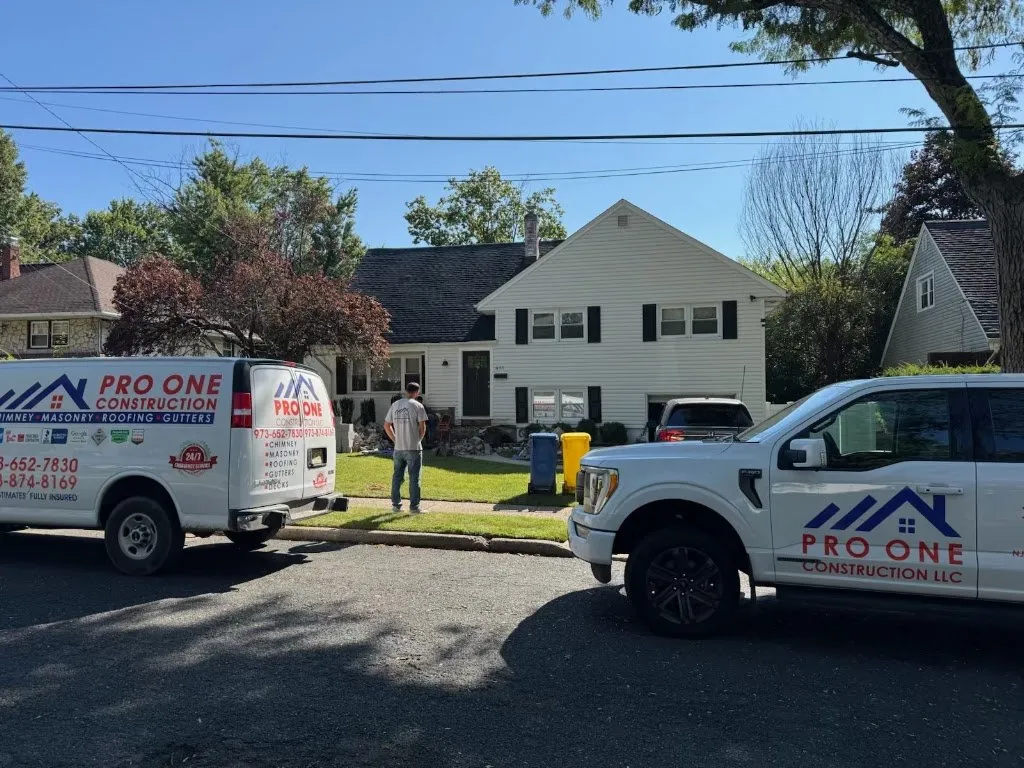
Pro One Construction van and pickup truck parked at a client's home in New Jersey

Real reviews from real neighbors

Every review here was written on Google by a Pro One customer.

Get a free estimate
  • Masonry

    “Fantastic experience from start to finish. The crew was knowledgeable, hardworking, and respectful of our property. The masonry work looks amazing and has completely transformed our space. Would absolutely hire again”

    Olainy Soto

  • Sidewalk repair

    “I got a quote from Pro One construction to repair a large portion of sidewalk on my property that a tree was pushing up and heaving the sidewalks to a dangerous level. There estimate was the best out of 3 and they did a professional job. Would recommend them to anyone needing sidewalks repaired!”

    A Everett

  • Google review

    “Matt and his team were excellent! If I could give 10 stars they would’ve received 11. Very neat; cleaned everything up. Fantastic group of guys.”

    Damian Jata

  • Driveway

    “Great experience with Matt,he came and give us a quote about or driveway.We liked the way how Matt handled the project and how it came out in the end. Definitely suggest them!”

    Gloris Bulica

  • Steps & retaining wall

    “Pro one construction repaired my steps and retaining wall amazing work very professional and great quality.highly recommend”

    Olha Vinnichenko

  • Roof replacement

    “Matt and his crew can by my mechanic shop in Union and did a full roof replacement. Very happy with them, I haven’t had a leak since.”

    Ardit Lita

  • Patio

    “Very happy with our new patio 10/10”

    raj Gupta

FAQ

Historic Masonry Restoration FAQs

Can’t find your answer? Call us at (973) 874-8169.

Why can modern mortar damage old brick?

Many older bricks are softer and more porous than modern brick, and they were laid in lime-rich mortar. Hard, cement-heavy mortar does not flex or breathe the same way. Moisture and stress move into the brick instead of the joint, and the brick faces can crack and spall.

How can I tell if my house has lime mortar?

Homes built before the early twentieth century often do. Lime mortar tends to be softer, lighter in color and slightly sandy to the touch. We can assess it on site, and for important work a sample can be analyzed to guide the new mix.

Is sandblasting safe for old brick?

Generally no. Abrasive blasting removes the hard outer face of the brick and leaves it more absorbent and prone to damage. We use gentle methods such as low-pressure water and masonry cleaners tested on a small hidden area first.

My home is in a historic district. Do I need approval for masonry work?

Possibly. Many New Jersey towns have historic preservation commissions that review exterior changes, and rules differ from town to town. We check what applies to your property and can provide material details for any review.

Can you match brick that is no longer made?

Often we can find reclaimed brick of similar age, size and color, or a new brick that is a close match. On visible facades we may also salvage sound bricks from a less visible area to use where matching matters most.

Ready to talk about your historic masonry restoration project?

Get a free, no-obligation estimate from a local crew that does it right the first time.

Call nowFree estimate